


As late October brings shorter days, colder walks and the clocks about to go back, many dogs spend more time indoors. If your dog has started polishing off dinner in seconds, a slow feeder dog bowl can make mealtimes last longer and add a little welcome mental activity.
It’s a simple change, but it’s worth choosing the right bowl and introducing it safely. Here’s what to know before your fast eater tucks in.
🐾 Why do some dogs gulp their food?
Eating quickly can be instinctive. Dogs that had to compete for food as puppies may have learnt to eat fast, while mealtime competition with other pets can bring out the same behaviour.
Boredom may play a part, too. When rainy days mean fewer opportunities to explore, sniff and play, a dog may race through dinner simply because it’s one of the most interesting things happening indoors.
Some dogs are simply enthusiastic eaters. Whatever the reason, if your dog barely pauses between mouthfuls, slowing the meal can be a useful part of their routine.
⚠️ What are the risks of fast eating?
Gulping can mean swallowing large mouthfuls with little chewing, and sometimes taking in air along with food. That may contribute to choking, regurgitation (bringing food back up soon after eating) or discomfort.
Fast eating is also discussed as one possible risk factor for bloat, or gastric dilatation-volvulus (GDV). With GDV, the stomach can fill with gas and twist. It is a life-threatening emergency, but it’s important to be clear: a slow feeder may slow your dog’s eating; it cannot guarantee prevention of bloat or GDV. Research on eating speed and GDV is mixed.
Seek emergency veterinary help if your dog has signs such as repeated retching without bringing anything up, a swollen or painful tummy, restlessness, heavy drooling, breathing difficulty, pale gums or collapse. Don’t wait to see if these symptoms pass. You can read more in the PDSA’s guide to GDV in dogs.
🍽️ How does a slow feeder dog bowl work?
A slow feeder dog bowl, sometimes called an anti-gulp bowl or slow eating dog bowl, has raised ridges or sections that break up the open space in a standard bowl. Your dog has to work around the pattern to reach each mouthful, which can slow down the meal and keep them engaged.
Maze-style designs vary in difficulty. Choose one that lets your dog reach the food without frustration, and remember that a slower meal is the aim, not turning dinner into a test.
🌧️ Which dogs may benefit most in winter?
A slow feeder can be worth trying if your dog:
- Eats very quickly or swallows food with little chewing.
- Regurgitates after meals, though repeated episodes need veterinary advice.
- Is a puppy learning calmer mealtime habits.
- Gets bored during wet-weather days or shorter indoor stretches.
- Competes with another pet for food.
If another dog is the reason your pet rushes, try feeding them separately as well. A slow feeder can help at the bowl, but it won’t remove the pressure of a mealtime race.

🛍️ Choosing an anti-gulp bowl in the UK
At All Creatures, Crates & All, we stock two raised-pattern bowls designed to slow quick eaters and add stimulation at mealtimes:
- Anti-Gulp Dog Bowl - small: £4.99, 14cm across, 5cm high and 200ml capacity.
- Anti-Gulp Dog Bowl - medium: £6.99, 18cm across, 6cm high and 400ml capacity.
Check that your dog’s usual portion fits comfortably, and choose a bowl they can eat from without awkwardly straining. The listed capacity describes the bowl, not how much your dog should eat at a meal. Follow your dog’s feeding plan and measure their normal portion.
You can browse our wider dog bowls collection for everyday feeding options, too.
🧼 Ceramic vs stainless steel vs plastic: a quick guide
The best material depends on how your dog eats, how you’ll clean the bowl and whether they’re likely to chew it. A standard bowl’s material won’t slow eating by itself, look for a slow-feeder shape if meal speed is the concern.
| Material | Pros | Things to consider |
|---|---|---|
| Ceramic | Heavier and often less likely to slide; available in home-friendly designs. | Can chip or crack if dropped. Check regularly and stop using it if damaged. |
| Stainless steel | Durable, simple to clean and handy for everyday use. | Can clang or move on the floor; a non-slip base helps. |
| Plastic | Lightweight and commonly used for maze-style designs. | Can be chewed or scratched. Inspect it often, and don’t leave a determined chewer alone with a plastic bowl. |
For a traditional ceramic bowl, options include the Green Bone Ceramic Pet Bowl, Grey Bone Ceramic Bowl, Navy Bone Ceramic Pet Bowl, Grey Dot Ceramic Pet Bowl, Reactive Glaze Dog Bowl and Chalkboard Ceramic Pet Bowl. These are everyday bowls, rather than maze-style slow feeders.
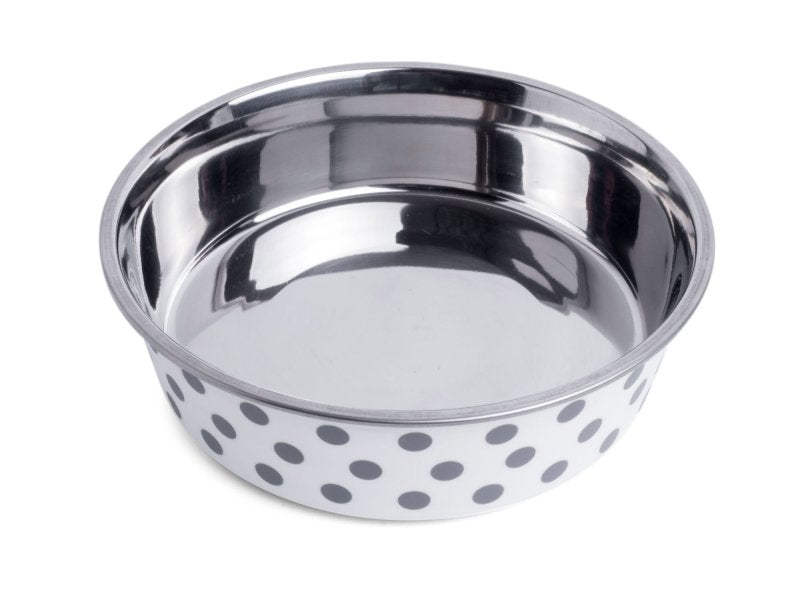
If stainless steel suits your routine, the Deli Grey Spot Metal Bowl has a rubber base to help prevent it sliding about.
✅ How to introduce a slow eating dog bowl safely
A new bowl should make mealtime more comfortable, not stressful. Try this quick guide:
- Start easy. Let your dog explore the bowl, then offer a small part of their normal meal. Choose an uncomplicated pattern to begin with.
- Supervise your dog. Watch how they manage the design, especially at first. If they chew the bowl, feed them under supervision and switch to another way of slowing the meal.
- Keep it clean. Food can get caught between raised sections, so wash the bowl thoroughly after use and check it regularly for damage.
- Build up gradually. If your dog eats calmly and can reach the food comfortably, continue using it. If they become frustrated, try an easier design or another enrichment option.
For a determined bowl-chewer, never leave them unattended with a plastic slow feeder. If you can’t supervise, use a safer alternative recommended for your dog and feeding situation.
🏡 A handy winter feeding extra
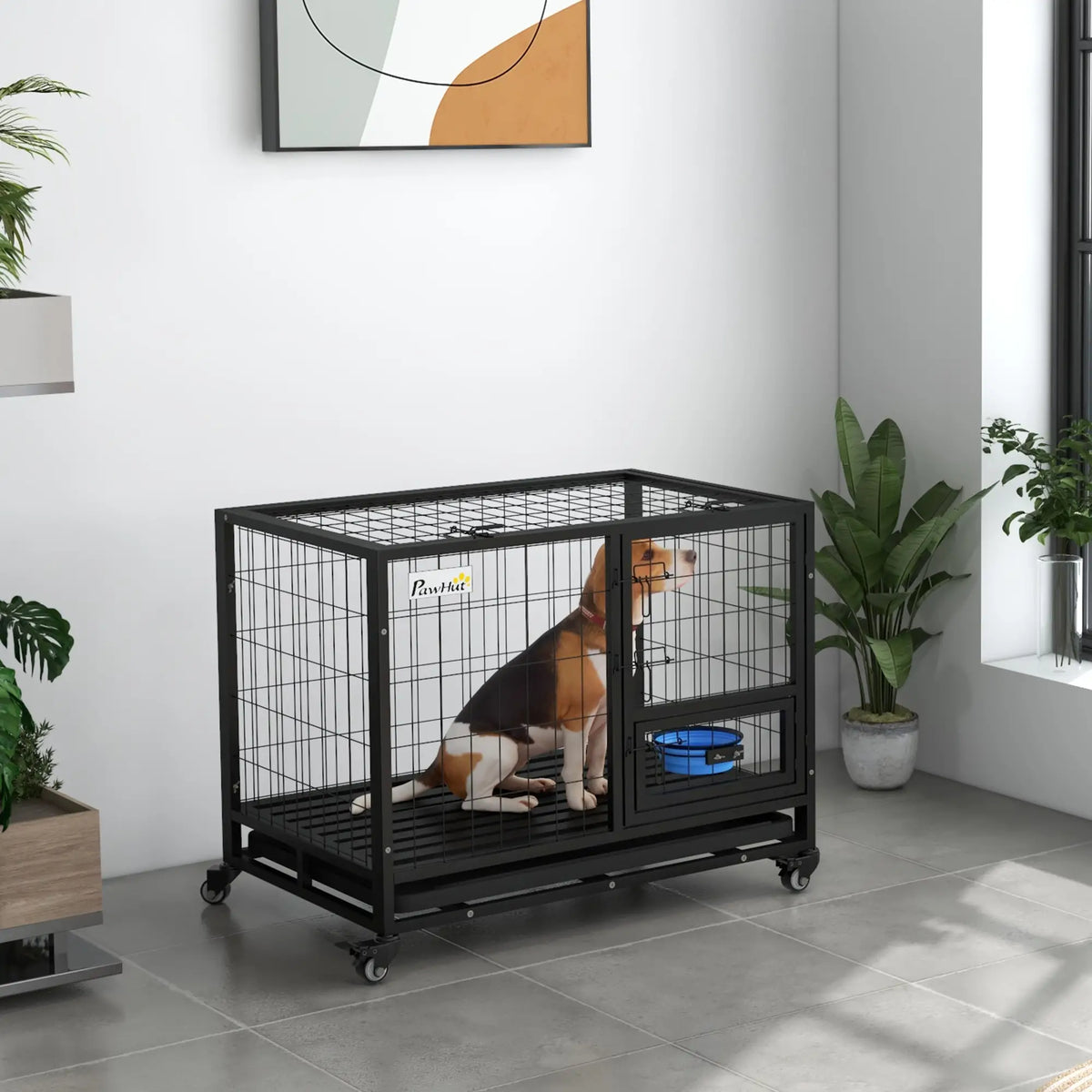
For crate-fed dogs, our Black dog crate with bowl holder and wheels (£96.49) includes a foldable bowl and holder that attaches to the crate. It’s a practical feeding-station feature, though it isn’t a slow feeder in itself.
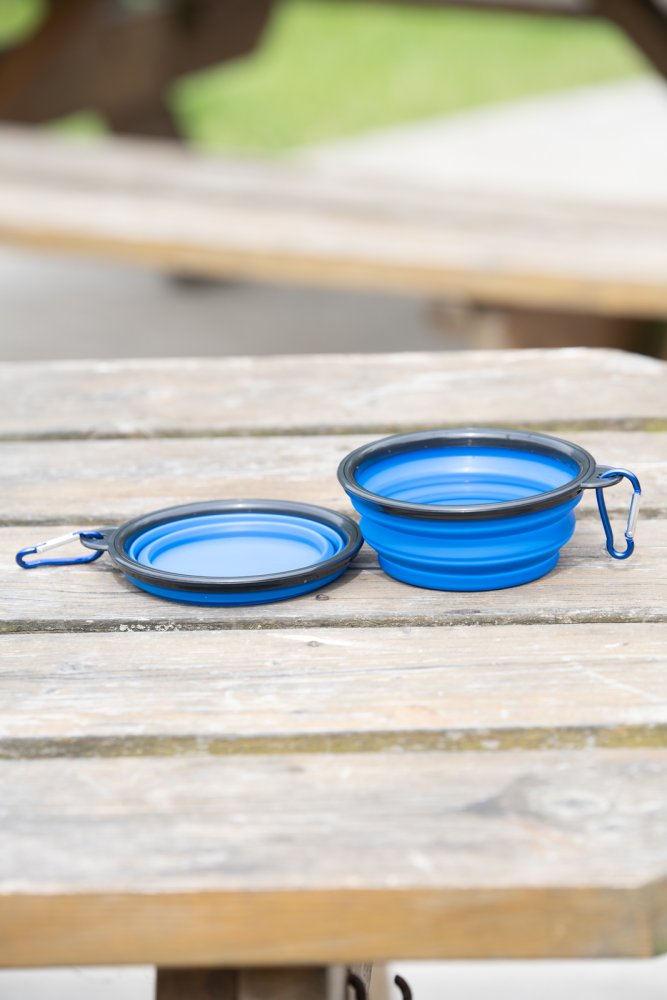
For days out, a Collapsible Travel Dog Bowl (£3.00) is easy to pack for food or water.
💛 A small change for calmer mealtimes
If your dog races through dinner, a slow feeder dog bowl can turn a quick gulp into a more engaging meal, especially on chilly, rainy days when indoor enrichment matters. Choose a suitable design, introduce it gently and keep an eye on your dog as they eat.
Small choices like these are one more way to care for your pet’s comfort and wellbeing. If fast eating or regurgitation continues, or you’re concerned about bloat, your vet is the best person to advise.
Meta description: Choosing a slow feeder dog bowl in the UK? Find out how anti-gulp bowls support calmer winter mealtimes, plus safe introduction tips, bowl materials and bloat signs.
0 comments